
Your Breast Health,One Step at a Time
Whether you have found a lump, noticed a change, or want to understand screening, knowing what to do next can make a worrying situation feel more manageable. Breast Watch brings together clear information to help you understand your concerns and prepare for a conversation with your doctor.

I Found a Lump
Found a Breast Lump? Get It Checked
Finding a lump in your breast or underarm can be unsettling. Most breast lumps are not cancer, but every new lump should be examined by a doctor. A lump’s size, texture, movement, or tenderness cannot reliably tell you whether it is harmless.
You do not need to wait for a lump to become painful or grow before seeking advice.
What Should You Do Next?
Arrange an appointment and make a note of when you first noticed the lump, where it is, and whether it has changed. Mention any nipple discharge, skin dimpling, swelling, or other differences you have noticed.
These details help your doctor understand your concern, but they cannot replace an examination.
What Happens During an Assessment?
Your doctor will examine your breasts and may recommend an ultrasound, a diagnostic mammogram, or both. If more information is needed, a biopsy may be advised. This involves taking a small sample of cells or tissue for laboratory testing.
Being referred for tests or a biopsy does not automatically mean you have breast cancer. The purpose is to identify the cause and decide whether treatment or follow-up is needed.
Getting checked is the clearest way to move from uncertainty towards an informed next step.

I Have Breast Pain
Understanding Breast Pain
Breast pain can feel like tenderness, heaviness, aching, or a sharper discomfort. It may affect one breast or both and can sometimes extend towards the armpit. Breast pain alone is unlikely to be a sign of cancer, but persistent pain should be assessed.
Why Can Breast Pain Happen?
Hormonal changes around periods are a common cause. Pain may also occur during pregnancy or menopause, with certain medicines, or because of infection. Discomfort originating in the neck, shoulder, or back can sometimes feel like breast pain.
Pay Attention to the Pattern
Notice whether the pain changes around your period, stays in one area, or affects both breasts. Record how long it lasts and whether it interrupts sleep or daily activities. A properly fitted, supportive bra may help improve comfort.
When Should You Seek Medical Advice?
Book an appointment if the pain does not improve. Seek urgent medical advice if your breast becomes red, hot, or swollen, particularly if you also have fever or chills.
Pain accompanied by a lump, bloodstained nipple discharge, dimpling, or a new nipple change also needs prompt assessment.
Understanding the cause helps your doctor recommend appropriate care.
I Noticed a Change
Breast Changes Matter, Even Without a Lump
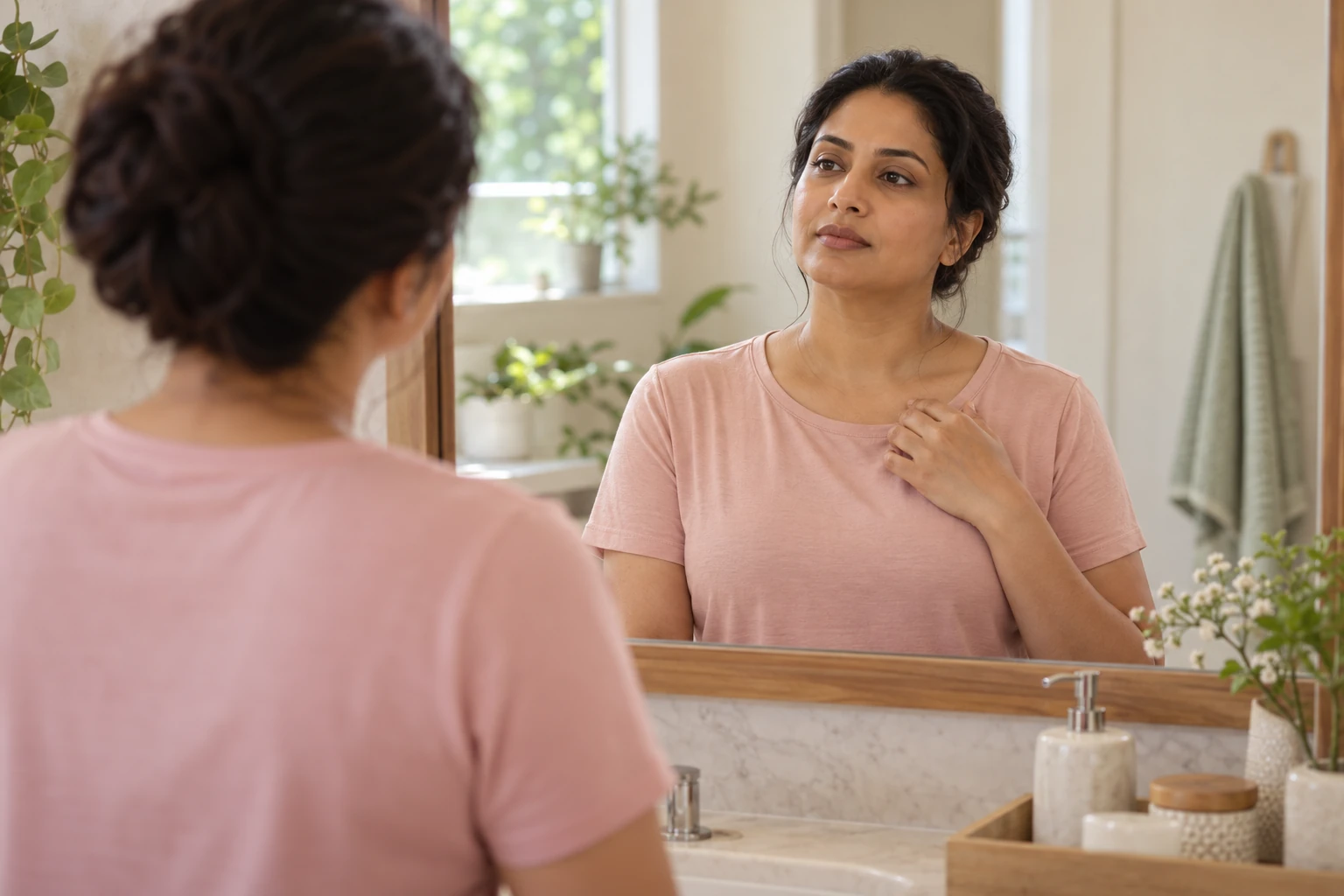
A change in your breast’s appearance can be just as important as a change you can feel. Not every breast problem causes a lump or pain, so a new difference in the skin, nipple, size, or shape deserves attention.
Many breast changes have non-cancerous causes. An examination helps establish what is happening.
Changes You Should Get Checked
Speak with a doctor if you notice:
- A new change in the size or shape of a breast.
- Dimpling, puckering, or skin that resembles orange peel.
- Unusual redness, darkening, or swelling.
- A nipple that has newly started turning inward.
- A persistent rash or crusting around the nipple.
- Unexpected nipple discharge, particularly if bloodstained.
- A new lump or swelling in the breast or armpit.
What Should You Tell Your Doctor?
Explain what has changed, when you first noticed it, and whether it is getting more noticeable. Mention any accompanying pain, discharge, or swelling.
You do not need to be certain that a change is serious before asking for help. If something looks or feels different from what is normal for you, arrange an assessment. Finding the cause early can help you receive appropriate care sooner.
I Want to Understand Screening
What Is Breast Screening?
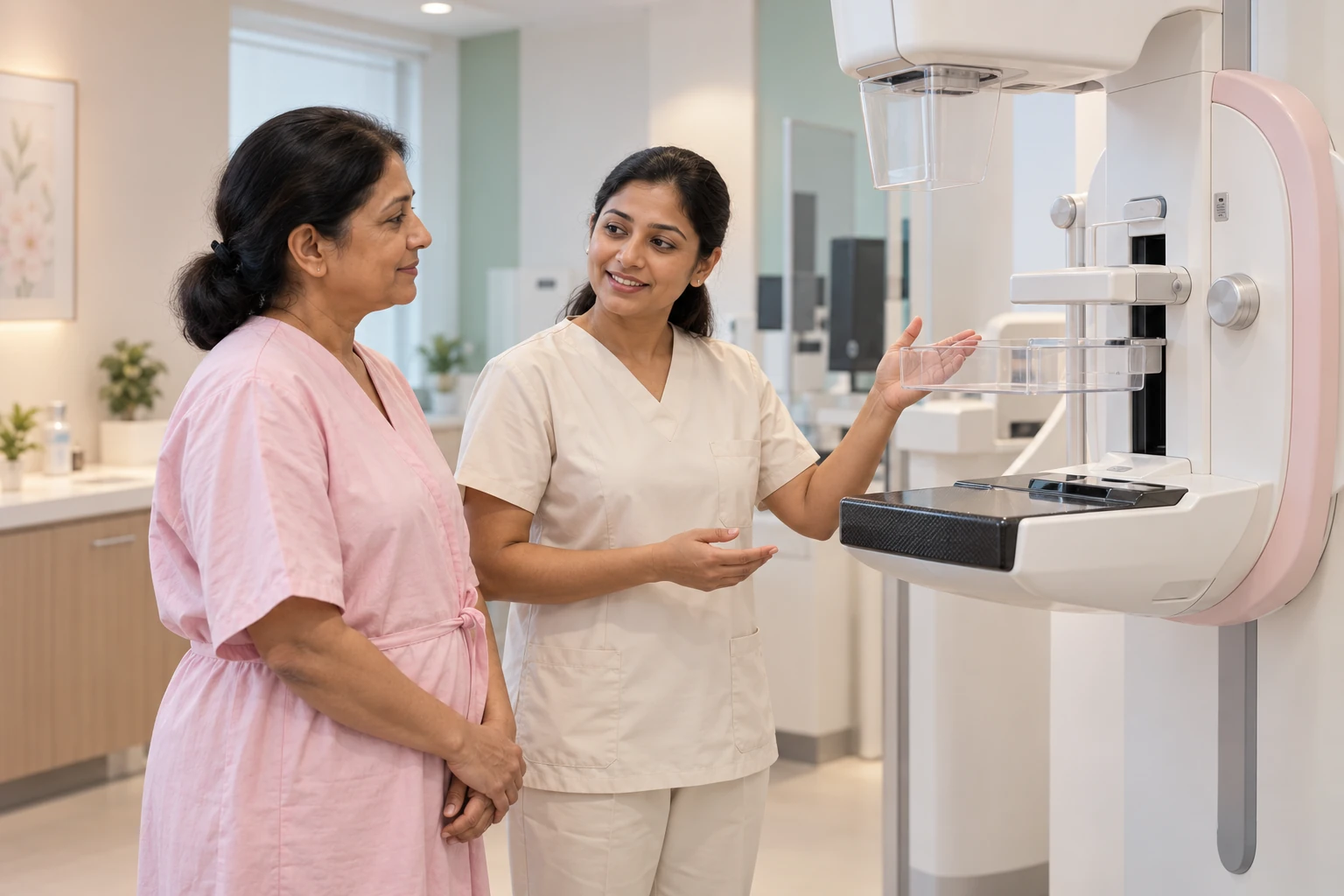
Breast screening looks for cancer in people who do not have symptoms. It can detect some cancers earlier, when treatment may be more effective.
Which Tests Are Used?
Mammography, an X-ray examination of the breasts, is the main screening test. Some people may also need MRI or ultrasound, depending on their risk and clinical circumstances. These tests have different roles and are not interchangeable.
When Should You Start?
Screening recommendations differ between countries and guidelines. Your age, personal history, and level of risk help determine when screening should begin, how often it is needed, and whether additional tests are appropriate.
Discuss your circumstances with your doctor to understand which screening plan applies to you.
What Are the Benefits and Limitations?
Screening can reduce deaths from breast cancer, but it cannot detect every cancer. It can also lead to additional investigations for harmless findings or detect cancers that would never have caused problems.
What if You Already Have Symptoms?
A lump, nipple change, or another new symptom needs medical assessment rather than waiting for routine screening. This applies even after a recent normal mammogram.
Being familiar with your breasts is useful, but checking them yourself does not replace recommended screening.

I’ve Been Diagnosed With Breast Cancer
Understanding Your Diagnosis
A breast cancer diagnosis can bring many questions and emotions. You may feel worried, overwhelmed, or unsure about what happens next. You do not have to understand everything at once.
Start by asking your care team to explain your diagnosis, what your test results mean, and the next steps in your care.
How Is Treatment Planned?
Treatment depends on the type and stage of breast cancer, its biological features, and your individual circumstances. Your care team should explain the recommended options and involve you in decisions.
What Treatments Might Be Discussed?
Treatment may include surgery, radiotherapy, chemotherapy, hormone therapy, targeted therapy, or immunotherapy for selected cancers. Some people need a combination of treatments.
Not everyone needs chemotherapy, and the order of treatment varies.
Questions to Ask Your Care Team
- What type of breast cancer do I have?
- What do my test results tell us?
- Do I need further tests?
- Which treatments do you recommend, and why?
- What benefits and side effects should I understand?
- How might treatment affect my daily life?
- Who can I contact between appointments?
Bring someone you trust if helpful, take notes, and ask for explanations again whenever needed. You deserve clear information and the opportunity to discuss your concerns.

I Want to Look After My Breast Health
Make Breast Awareness Part of Everyday Life
Looking after your breast health starts with knowing what is usual for you. Becoming familiar with how your breasts look and feel can help you notice a change and explain it to a doctor.
Your breasts may naturally feel different during your menstrual cycle, pregnancy, breastfeeding, and after menopause. Pay attention to new or unusual changes rather than expecting your breasts to look and feel exactly the same throughout life.
Know What to Notice
Be aware of the appearance of your skin and nipples, the shape of your breasts, and how your breasts and underarms normally feel. If you notice a new lump, unusual swelling, nipple discharge, or another change, seek medical advice.
Breast awareness helps you recognise concerns. It cannot confirm or rule out cancer.
Build Habits That Support Your Health
Regular physical activity, maintaining a healthy weight, and limiting or avoiding alcohol can help reduce breast cancer risk.
No lifestyle choice guarantees prevention. Breast cancer can develop in people who follow healthy habits, and a diagnosis is never a personal failure. Focus on sustainable choices that support your overall wellbeing.
Understand Your Screening Needs
Discuss your personal and family history with your doctor and ask whether you need an individual risk assessment. Follow the screening plan recommended for you and report new symptoms between appointments, even if your last screening result was normal.
Have a Breast Health Concern? Let’s Talk
Whether you have noticed a lump, are experiencing discomfort, want screening advice, or need help understanding a diagnosis, take the next step towards clarity.
Message on WhatsApp to enquire about a consultation and share your concerns.
An in-person examination or further tests may be needed depending on your symptoms.