
Nourish Your Body.
Support Your Breast Health.
Caring for your breasts includes everyday habits that support your overall health. Balanced meals, regular movement, awareness of breast changes, and appropriate medical care all have a role to play.
At BreastWatch, we believe breast wellness should feel practical and achievable, with clear information that helps you make informed choices.
How Does Lifestyle Affect Breast Health?
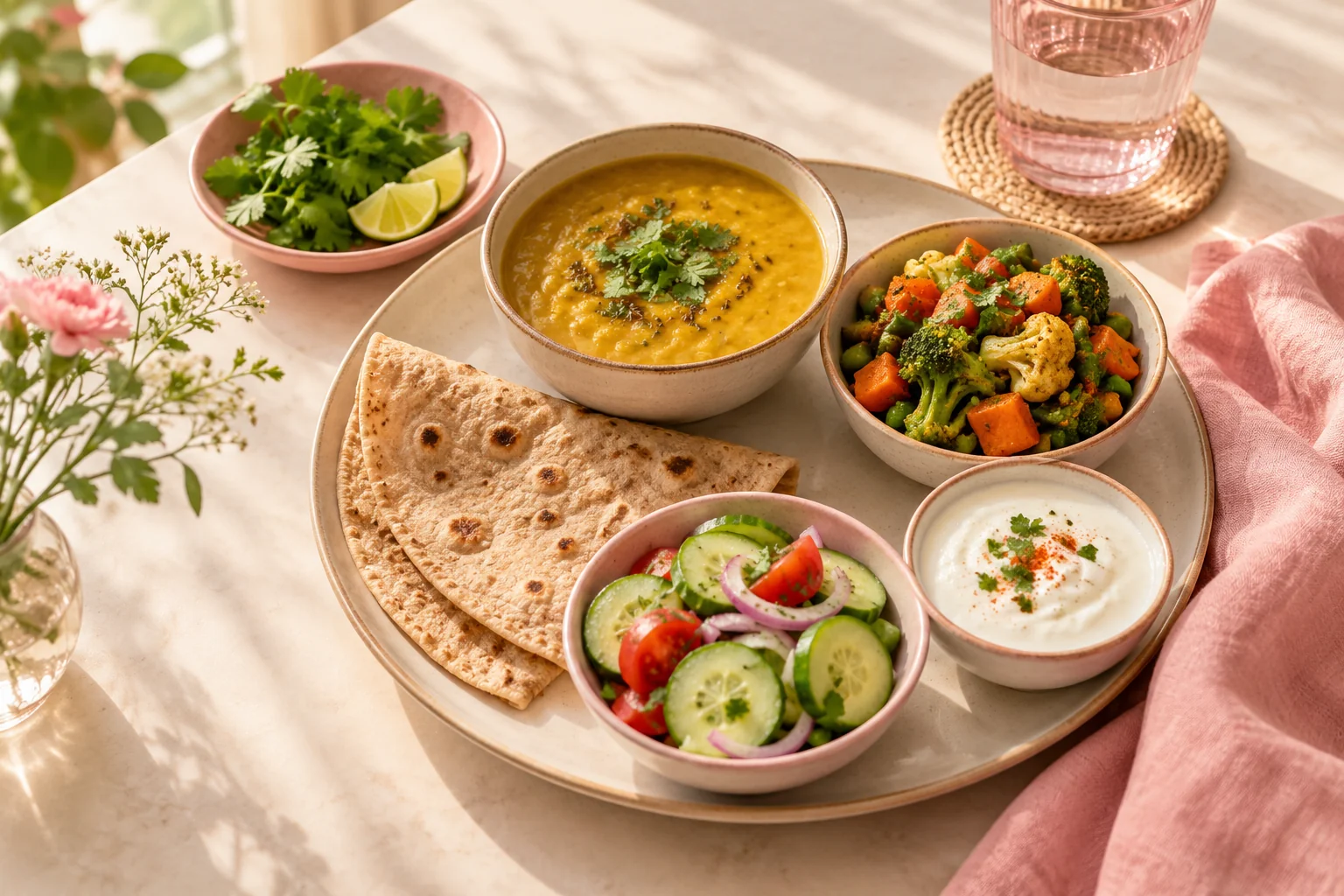
Being physically active, avoiding alcohol, and maintaining a healthy weight can help lower breast cancer risk. Excess body weight after menopause is associated with an increased risk.
However, healthy habits cannot guarantee prevention. Breast cancer has many contributing factors, and developing it does not mean someone ate the wrong foods or failed to look after themselves.
Everyday Foods for a Balanced Diet
Enjoy a Variety of Vegetables and Fruits
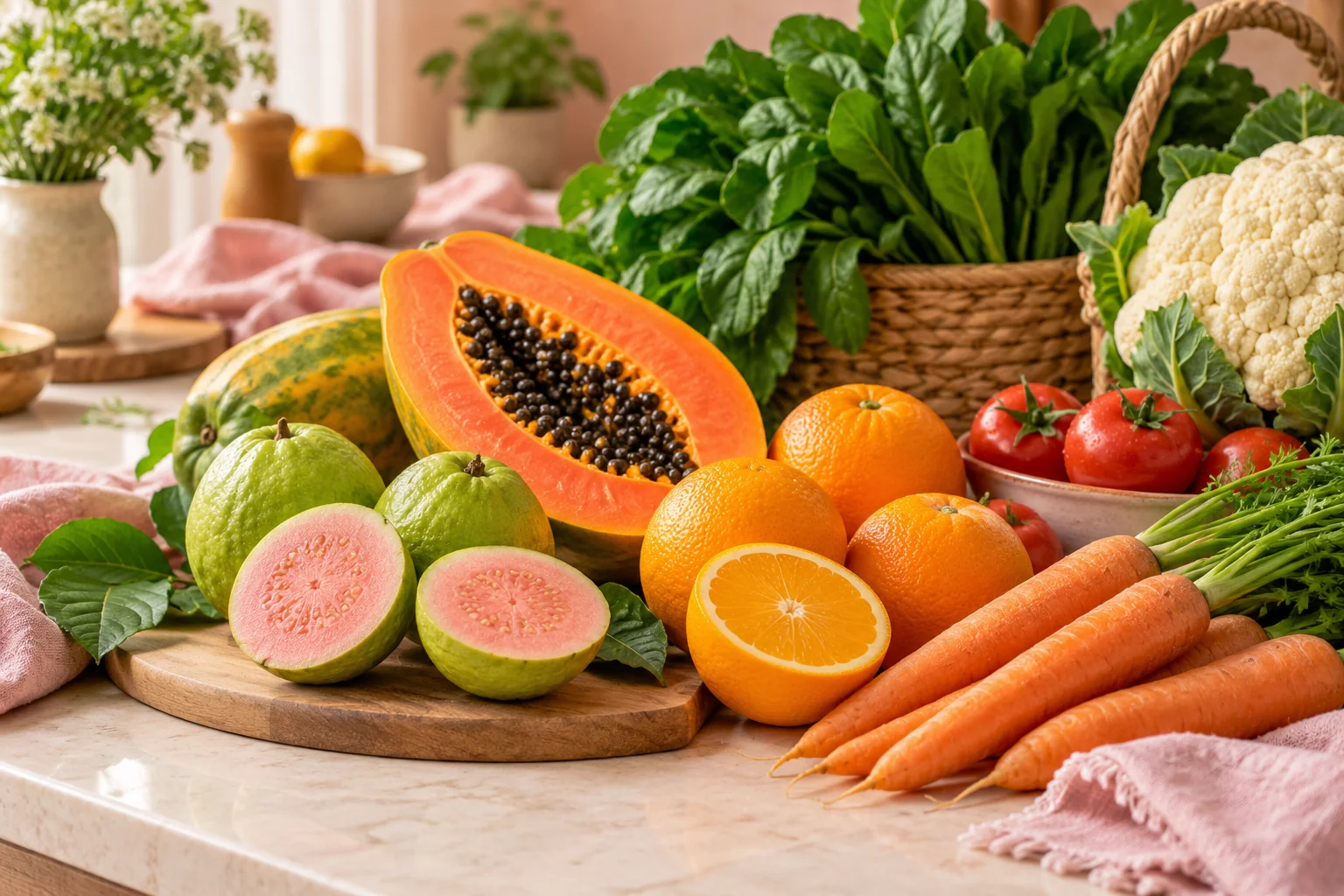
Include different colours and varieties across your meals. Familiar options such as spinach, carrots, cauliflower, tomatoes, guava, papaya, and oranges can make balanced eating affordable and enjoyable.
Choose whole fruit more often than juice. No single fruit or vegetable is a proven breast cancer treatment.
Whole Grains More Often
Whole-wheat roti, oats, dalia, brown rice, and millets can add variety and fibre to everyday meals. Choose options you enjoy and portions that suit your needs.
Make Room for Pulses
Dal, rajma, chickpeas, and other beans are useful additions to a varied eating pattern. Combine them with vegetables and grains for satisfying meals.
Overall Pattern Matters
Emphasise plant foods and limit processed meat, sugary drinks, and foods high in added sugar. The overall eating pattern matters more than any “superfood.”
Do You Need to Avoid Soy?
Ordinary soy foods, such as tofu, soybeans, and soy milk, can be part of a healthy diet. Research does not show that eating soy foods increases breast cancer risk.
Soy foods are different from concentrated soy or isoflavone supplements. These supplements are not recommended for cancer prevention, and anyone receiving treatment should discuss them with their care team.
A Simple Day of Balanced Eating
You do not need expensive ingredients or a restrictive diet to start making balanced choices. Here is an example using familiar foods:
| Meal | Everyday options |
|---|---|
| Breakfast | Vegetable oats or dalia with plain curd |
| Mid-morning | A seasonal whole fruit |
| Lunch | Roti or rice with dal, cooked vegetables, and curd |
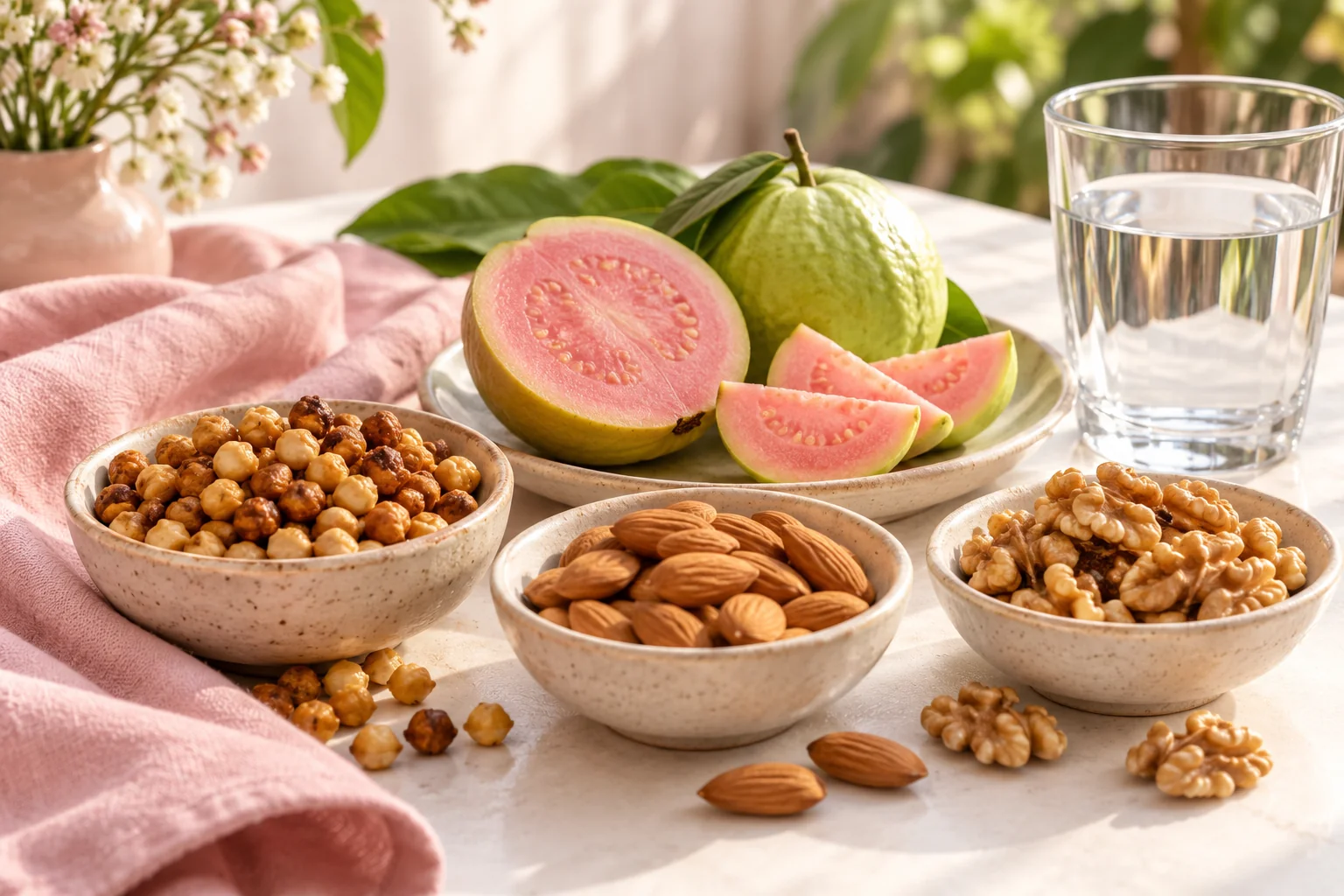
| Evening snack | Roasted chana or a small handful of unsalted nuts |
| Dinner | Vegetable khichdi with curd, or roti with tofu, paneer, or beans |
This is an illustrative meal pattern, not a personalised diet prescription. Portions and food choices should reflect your appetite, health conditions, allergies, and treatment needs.
Healthy Habits Beyond Your Plate

Stay Physically Active
Regular movement helps support overall health and can lower breast cancer risk. Adults can aim for 150–300 minutes of moderate activity each week, such as brisk walking, or an equivalent amount of vigorous activity.
Start gradually and choose activities you enjoy. If you are recovering from surgery or receiving treatment, ask your care team how to adapt activity safely.
Work Towards a Healthy, Sustainable Weight
Focus on habits you can maintain over time. Weight goals should account for your age, medical history, and individual circumstances. During cancer treatment, preventing unwanted weight loss may be more important than losing weight.
Avoid Alcohol
Alcohol increases breast cancer risk, including at low levels of consumption. For cancer risk reduction, avoiding alcohol is the best option.
Can Diet Help With Breast Pain or Lumps?
Breast pain and lumps can have different causes, so they should not all be managed in the same way. A balanced diet supports general health, but dietary changes cannot tell you whether a lump is harmless or treat an underlying infection.
For breast discomfort, a properly fitted supportive bra may help. Persistent pain should be assessed, and there is little evidence that vitamin E tablets or evening primrose oil relieve breast pain.
Eating Well During Breast Cancer Treatment
Your nutritional needs may change during treatment. Some people need additional protein and calories to maintain strength, preserve muscle, and support recovery.
If appetite is low or eating becomes difficult:
- Try smaller meals and snacks more frequently.
- Include protein sources such as dal, curd, paneer, tofu, eggs, fish, or chicken according to your preferences.
- Discuss nausea, mouth soreness, taste changes, or difficulty swallowing with your care team.
- Ask for a dietitian’s advice if you are losing weight or struggling to eat enough.
A treatment diet should be tailored to you. A restrictive weight-loss diet may be unsuitable during this time.
Be Careful With “Cancer-Fighting” Diet Claims
Juice cleanses, alkaline diets, herbal mixtures, and high-dose vitamins have not been proven to cure cancer. Some supplements can also interfere with cancer medicines.
Before starting a supplement or making major dietary changes during treatment, speak with your oncologist or dietitian. Foods and supplements should support your care, not delay or replace it.
When Should You Seek Medical Advice?
Arrange a medical assessment if you notice:
- A new lump in the breast or armpit.
- A change in breast shape or appearance.
- Skin dimpling or a nipple that has recently turned inward.
- Unusual nipple discharge, especially blood.
- Breast pain that persists or worsens.
Take a Positive Step Towards Breast Wellness
Breast wellness begins with informed choices and attention to your body. Enjoy balanced meals, keep moving in ways that suit you, and seek advice when something changes.
For ongoing breast symptoms or guidance on nutrition during treatment, consult a breast specialist and a qualified dietitian for personalised care.
Message Us on WhatsApp